
Robotic Pet Therapy Improves Outcomes for Hospitalized Older Adults

Robotic Pet Therapy Improves Outcomes for Hospitalized Older Adults

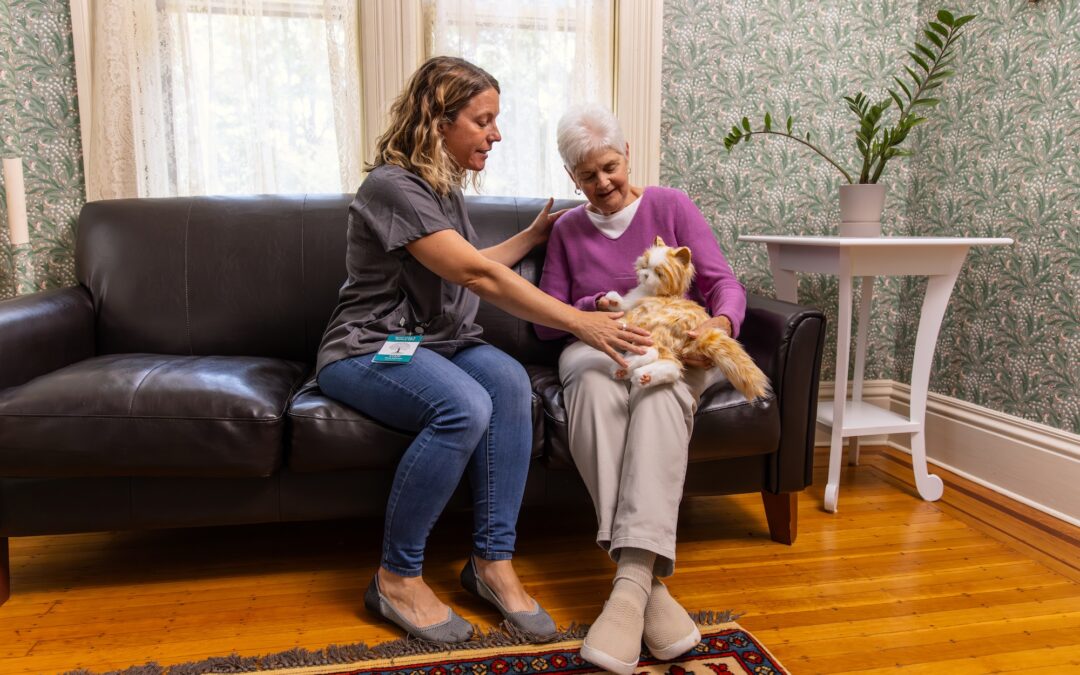
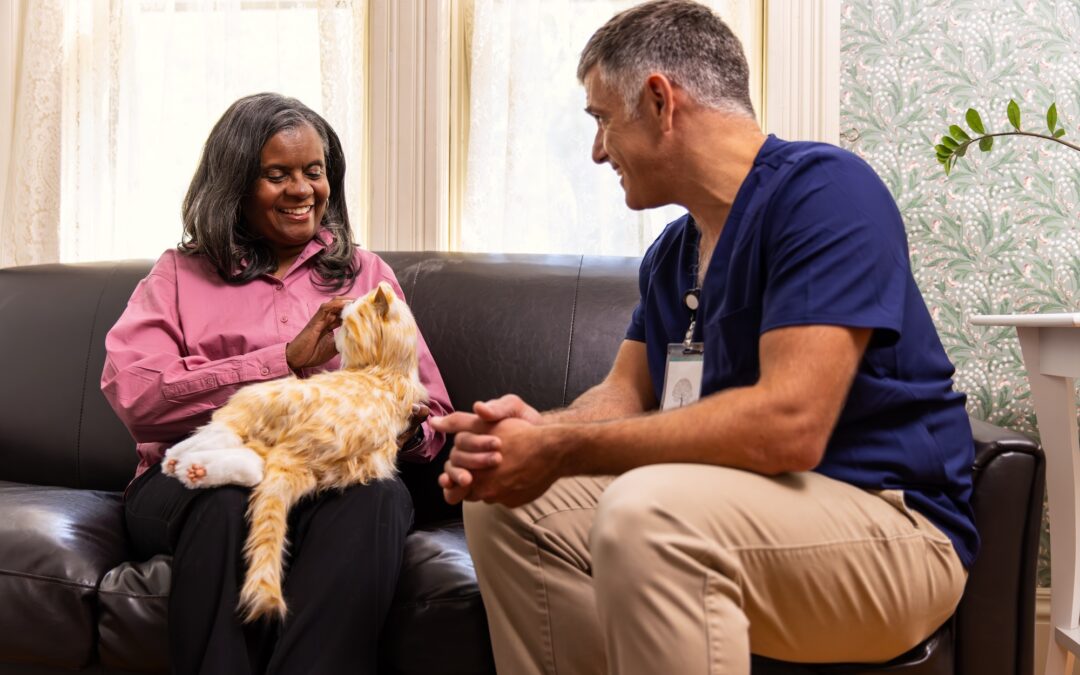
This randomized controlled trial at an inner city community hospital examined the effect of a robotic pet (cat or dog) on cognition, loneliness, depression, delirium, falls, restraint use, and 1:1 companion use in 160 adults over age 65. The study utilized robotic pets which have an audible heartbeat and interact by purring or barking, turning their heads, opening/closing their eyes, snuggling, wagging their tails, moving their paws, and showing their bellies.
Read the study

Exploring the Effects of Interaction with a Robot Cat for Dementia Sufferers and their Carers

Exploring the Effects of Interaction with a Robot Cat for Dementia Sufferers and their Carers

Abstract

Research has previously demonstrated the positive effects of robotic companion pets, but while this is important from a research perspective, their cost renders their widespread use currently unfeasible.

This research seeks to explore the potential of an affordable robot, with a view to making a realistic difference in quality of life for people with dementia and their carers. Early research results involving participants in the community have proved very positive.

Read the study